Leverage your CRM to improve security and compliance in financial advisory

As a financial advisor, safeguarding data integrity and ensuring compliance must be at the forefront of everything you do. Managing the sensitive financial information of clients demands meticulous care and attention. From contracts to confidential communications, every aspect of client interaction requires diligent maintenance and adherence to compliance regulations.
However, as your practice expands, managing these responsibilities manually becomes increasingly cumbersome and prone to errors. The disparate nature of maintaining information across documents, files, and systems only worsens these challenges. Embracing digitalization is not merely a choice but a necessity in modern financial advisory practices. Let’s explore how integrating digital tools, particularly Customer Relationship Management (CRM) systems, can fortify compliance measures and bolster security within your firm.
In financial advisory, a robust CRM system that centralizes all client data serves as the backbone for maintaining compliance standards and upholding security protocols. Here's how leveraging technology achieves both:
Centralized data management
A CRM system is a centralized hub for storing and managing client data, ensuring all information is consistently updated and readily accessible. By consolidating client information within a secure platform, you can maintain compliance with regulatory requirements regarding data protection and confidentiality.
Customized workflows
Configure automated processes within your CRM to ensure that compliance tasks, such as document verification and regulatory reporting, are systematically executed and monitored, reducing the risk of non-compliance.
Enhanced security features
Encryption, access controls, and audit trails safeguard sensitive client data from unauthorized access or breaches. By leveraging these security measures, you can instill confidence in your clients while demonstrating a commitment to protecting their privacy and confidentiality.
Seamless integration with the other tools that run your practice
Seamlessly integrating with third-party tools and databases enables you to leverage additional resources to connect and centralize data, helping stay abreast of compliance requirements. Streamline compliance processes and ensure adherence to evolving regulatory standards by integrating systems and data sources directly into your workflow.
Integration for document management
Financial advisory firms handle extensive documentation containing sensitive client information, necessitating adherence to stringent regulatory requirements. However, managing information scattered across disparate systems poses a considerable challenge. Integrating document management software with CRM systems facilitates seamless data consolidation and ensures readiness for audits. Automated workflows and digital signing capabilities further enhance document security and compliance, enabling swift movement from creation to client acceptance.
Real-time data monitoring
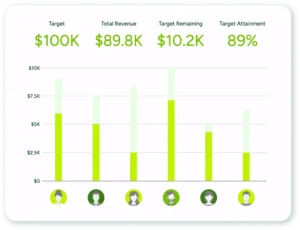
With CRM technology, you can check client activities across your practice in real time, enabling proactive identification and resolution of potential issues before they escalate. By leveraging data analytics and reporting capabilities, you’ll gain valuable insights into trends and performance metrics, facilitating continuous improvement and risk mitigation efforts.
Digitalizing your book of business with a CRM is essential when seeking to streamline compliance processes and enhance security measures within your practice. By centralizing data management, customizing compliance workflows, implementing robust security features, integrating with compliance tools, and monitoring compliance activities in real time, you can effectively navigate regulatory requirements while safeguarding client confidentiality and trust.
Interested in learning more? Read the new Maximizer guide, Invest in Success for more digitalization insights for financial advisors.
Subscribe to our Newsletter
Related Articles