
1. Build trust
Establish transparency and support to inspire confidence and loyalty within the team.
2. Set clear goals
Provide specific and achievable objectives to guide your team toward success.
3. Celebrate wins
Recognize small and large accomplishments to keep morale high and momentum steady.
4. Create healthy competition
Use friendly contests or leaderboards to drive engagement and performance.
5. Offer monetary incentives
Reward team members with bonuses or commissions tied to their achievements.
6. Communicate consistently
Keep everyone aligned and informed through regular and open communication.
7. Show appreciation
Acknowledge hard work with praise, thank-you notes, or small gestures.
8. Encourage collaboration
Promote teamwork by offering opportunities for team members to share ideas and solve problems together.
9. Provide growth opportunities
Support professional development through training, mentorship, and skill-building.
10. Focus on key metrics
Highlight performance indicators that align with the company’s goals and motivate your team.
11. Empower with autonomy
Allow team members to take ownership of their work and make decisions.
12. Praise publicly
Celebrate achievements in meetings or emails to motivate your team and inspire others.
13. Support wellness
Implement wellness programs to prioritize mental and physical health.
14. Vary sales activities
Introduce new challenges to keep the work engaging and prevent burnout.
15. Send motivational emails
Craft inspiring messages to encourage your team and align them with objectives.
16. Share motivational quotes
Use powerful quotes to reinforce positivity and drive team motivation.
17. Let team members choose rewards
Offer personalized incentives to make recognition more meaningful.
18. Promote team bonding
Organize activities that build stronger relationships and camaraderie.
19. Highlight success stories
Share inspiring stories to demonstrate the value of persistence and effort.
20. Provide constructive feedback
Help team members grow with feedback that is both actionable and positive.
21. Leverage mentorship
Pair team members with experienced professionals for guidance and support.
22. Rotate responsibilities
Allow team members to explore new roles and tasks for skill development.
23. Focus on individual strengths
Utilize each team member’s unique talents to boost overall performance.
24. Gamify tasks
Turn everyday activities into fun challenges with rewards for success.
25. Invest in team training
Offer regular training to keep your team competitive and confident.
26. Maintain a positive atmosphere
Cultivate a culture of positivity, resilience, and mutual respect.
27. Encourage peer recognition
Provide platforms for team members to acknowledge and celebrate each other.
28. Set stretch goals
Challenge the team with ambitious but achievable objectives to inspire effort.
29. Recognize improvement
Acknowledge progress, not just results, to emphasize growth and persistence.
30. Celebrate personal milestones
Recognize birthdays, anniversaries, and personal achievements to show care.
31. Build a vision
Connect individual efforts to the company’s mission and long-term goals.
32. Offer flexible work options
Provide schedules or locations that help balance personal and professional lives.
33. Conduct regular check-ins
Meet individually with team members to address concerns and provide guidance.
34. Share success metrics
Keep the team informed about their contributions to the organization’s success.
35. Host inspirational speakers
Invite experts to share insights and energize your team.
36. Provide access to tools and resources
Ensure the team has what they need to excel in their roles.
37. Implement recognition programs
Establish structured programs to consistently reward exceptional performance.
38. Address challenges promptly
Resolve issues quickly to keep the team focused and motivated.
39. Encourage open dialogue
Create an environment where team members feel comfortable sharing ideas and feedback.
40. Lead with enthusiasm
Model passion and energy to inspire your team to follow your example.
How to motivate a sales team when sales are down
When sales are down, it’s essential to keep your team motivated and focused on recovery. By shifting strategies and emphasizing support, you can help them regain confidence and drive success. Here are eight ways to motivate a sales team when sales are down.
1. Revisit goals
Reevaluate team and individual goals to ensure they remain realistic and attainable during challenging times. Adjusting goals can renew focus and create a sense of accomplishment as smaller milestones are reached.
- Break larger goals into smaller, actionable steps to make them feel achievable.
- Conduct one-on-one meetings to align goals with each team member’s strengths.
2. Offer targeted training
Provide skill-specific training to address areas where the team is struggling. These sessions can empower them to tackle challenges more effectively and gain confidence in their abilities.
- Host workshops focused on overcoming common objections or closing techniques.
- Bring in external experts or senior team members to share insights and strategies.
3. Celebrate small wins
Recognizing even minor achievements can uplift morale and inspire the team to keep pushing forward. Small wins create momentum that can eventually lead to larger successes.
- Use team meetings to highlight individual contributions and progress.
- Offer non-monetary rewards, like certificates or shout-outs, to show appreciation.
4. Provide clear direction
During tough times, clarity is critical. Provide your team with a roadmap that outlines the next steps and prioritizes essential actions.
- Share a clear action plan during weekly check-ins to align efforts.
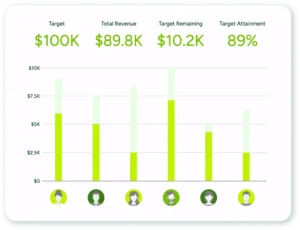
- Use visual aids like charts or dashboards to track progress toward recovery goals.
5. Share success stories
Motivate your team by sharing real-life examples of overcoming adversity in sales. These stories remind them that setbacks are temporary and success is always possible.
- Share past successes from your company or industry to inspire perseverance.
- Invite team members to share their own stories of overcoming challenges.
6. Focus on team strengths
Help your team recognize and leverage their strengths to overcome challenges and build momentum. Emphasizing what they do well can reignite confidence and motivation.
- Conduct a team strengths assessment to identify what each member excels at.
- Pair team members with complementary skills for collaborative efforts.
7. Encourage open dialogue
Create a safe space for your team to voice concerns and collaborate on solutions. Open communication can lead to fresh ideas and alleviate frustration.
- Hold regular team meetings to discuss challenges and brainstorm solutions.
- Actively listen to feedback and implement practical suggestions.
8. Lead with positivity
Your team will take cues from your attitude. Display optimism and resilience to encourage the same mindset among your team members.
- Share motivational messages or quotes during team huddles.
- Celebrate small progress milestones to keep spirits high.
Motivating a sales team doesn’t always require financial incentives. By focusing on personal growth, recognition, and collaboration, you can inspire your team to excel without spending a dime. Here are ten expanded strategies for how to motivate a sales team without money.
How to motivate a sales team without money
1. Provide recognition
Recognition is a powerful motivator. Publicly acknowledging your team’s hard work and achievements can create a sense of value, boost morale, and encourage continued effort.
- Use team meetings to highlight individual contributions with specific examples of their impact.
- Create a “Wall of Fame” in the office or a virtual space to showcase outstanding performers.
- Send personalized thank-you notes or emails that highlight why their efforts matter.
2. Foster team collaboration
Collaboration strengthens relationships and fosters innovation. When team members work together, they can share ideas, learn from each other, and tackle challenges more effectively.
- Assign group projects that require brainstorming and problem-solving, ensuring everyone has a role.
- Host weekly or monthly knowledge-sharing sessions where team members present strategies or insights.
- Create collaborative tools, such as shared workspaces or team discussion boards, to keep communication flowing.
3. Set meaningful goals
Goals that align with personal aspirations can be more motivating than generic targets. By tailoring goals to individual interests, you create a deeper connection to their work.
- Meet with team members individually to discuss their career goals and create actionable plans to align them with team objectives.
- Share the broader company vision and demonstrate how their contributions directly support it.
- Break down goals into manageable milestones to celebrate progress along the way.
4. Offer skill development opportunities
Investing in skill development shows your commitment to your team’s growth. When employees feel they are learning and advancing, they are more likely to stay engaged and motivated.
- Offer access to free online courses, webinars, or internal training sessions on relevant topics.
- Pair team members with mentors or senior colleagues who can provide personalized guidance and coaching.
- Encourage self-directed learning by sharing curated resources, such as articles, videos, or books.
5. Create friendly competitions
Light-hearted competitions can add energy and excitement to the workplace while encouraging performance improvement.
- Set up contests around metrics like lead generation, call volume, or customer satisfaction scores.
- Use non-monetary prizes such as priority parking spots, a rotating team trophy, or even fun titles like “Closer of the Week.”
- Keep the competition positive and ensure it fosters camaraderie rather than rivalry.
6. Grant flexibility
Flexibility is an often undervalued yet impactful motivator. Offering flexible schedules or remote work options shows trust and appreciation for your team’s efforts.
- Allow employees to adjust their hours to better fit their personal lives or peak productivity times.
- Designate “flex days” where team members can work remotely or shift their schedules.
- Support flexibility as a reward for hitting performance milestones and fostering a culture of trust.
7. Rotate leadership opportunities
Giving team members temporary leadership roles empowers them and helps develop their confidence. It also provides them with a fresh perspective on teamwork and project management.
- Assign rotating responsibilities, such as leading a weekly meeting or managing a specific task.
- Create short-term “team leader” roles where individuals oversee small projects or campaigns.
- Offer constructive feedback and guidance to help them improve their leadership skills.
8. Celebrate milestones
Marking milestones is an easy way to show your team that their work is valued and appreciated. Celebrations can strengthen team morale and create a sense of shared achievement.
- Host a team lunch, virtual happy hour, or casual office celebration to honor completed projects.
- Send personalized congratulatory emails or messages that highlight the significance of the milestone.
- Share accomplishments in company-wide communications to give team members broader recognition.
9. Share motivational quotes
Sometimes, a simple motivational quote can have a lasting impact. By sharing inspiring messages, you can boost morale and remind your team of the bigger picture.
- Post motivational quotes on shared digital platforms, whiteboards, or team dashboards.
- Start meetings with a quote that reflects the team’s current challenges or goals.
- Create a “quote of the week” tradition, where team members take turns sharing their favorite sayings.
10. Provide personal feedback
Constructive and personalized feedback is an essential way to show your team that you’re invested in their growth. Tailored advice can help them improve while fostering trust and engagement.
- Schedule regular one-on-one meetings to discuss their strengths, progress, and areas for improvement.
- Offer actionable feedback that includes specific steps they can take to grow and improve.
- Follow up with encouragement and recognition to show that their efforts are making a difference.
How to motivate a sales team with incentives
Incentives are a proven way to boost morale, drive engagement, and increase productivity among your sales team. When designed thoughtfully, they can energize your team and create a culture of high performance. Here are five strategies for how to motivate a sales team with incentives.
1. Offer tiered incentives
Tiered incentives encourage consistent effort by recognizing progress at various stages, rather than solely at the end. This approach ensures that team members feel motivated throughout the sales cycle, as they can see the tangible benefits of their hard work earlier and more frequently.
- By rewarding incremental successes, you reduce the risk of burnout or discouragement.
- This structure works well for long-term sales objectives, where smaller achievements keep the team engaged over time.
- Tailor the tiers to your team’s capacity, ensuring they feel both attainable and aspirational.
2. Create team-based rewards
Team-based rewards not only drive performance but also promote collaboration and a sense of unity. They help foster a culture where individual success is celebrated as part of a larger group effort, motivating everyone to contribute to shared goals.
- A team-wide incentive encourages mentoring, as more experienced sales representatives will assist newer team members.
- It ensures that even those who might not hit individual targets still feel they’re contributing to the team’s success.
- This approach builds stronger relationships within the team, which can lead to long-term improvements in morale and productivity.
3. Rotate incentive types
Rotating incentive types adds an element of surprise and keeps the team excited about participating. It ensures that incentives remain fresh, relevant, and tailored to different preferences, sustaining interest over time.
- Offering variety prevents complacency, as team members stay curious about what reward may come next.
- Seasonal themes, such as summer outings or holiday perks, can align incentives with moments of heightened excitement.
- Surveying the team for their input on reward options ensures that everyone feels included and valued.
4. Personalize rewards
Personalized rewards show that you’ve taken the time to understand each individual’s preferences, which strengthens their connection to the team and increases motivation.
- Personalization ensures the reward is meaningful to the recipient, increasing its perceived value.
- Tailored incentives, such as a gift that aligns with someone’s hobbies or interests, feel more thoughtful and memorable.
- When combined with public recognition, personalized rewards demonstrate both individual appreciation and team encouragement.
5. Recognize milestones with incentives
Celebrating milestones with thoughtful incentives creates a sense of pride and belonging, reinforcing loyalty and dedication to the company. Milestones could include years of service, achieving a personal best, or hitting a long-term goal.
- Publicly acknowledging these moments strengthens team morale and sets an example for others.
- Combining professional rewards, like training opportunities, with personal gestures, such as custom awards, adds depth to the celebration.
- Highlighting milestones fosters a culture of appreciation, encouraging the team to aim for similar achievements.
Encouraging quotes for sales teams
In sales, staying motivated and inspired is essential to overcoming challenges and achieving success. Sometimes, a few powerful words can reignite drive and provide clarity. Here are five impactful and encouraging quotes for sales teams, designed to uplift spirits and refocus energy on achieving goals.
1. “The difference between a successful person and others is not a lack of strength, not a lack of knowledge, but rather a lack in will.” – Vince Lombardi
2. “Don’t let the fear of losing be greater than the excitement of winning.” – Robert Kiyosaki
3. “Sales are contingent upon the attitude of the salesman, not the attitude of the prospect.” – W. Clement Stone
4. “Motivation is what gets you started. Habit is what keeps you going.” – Jim Ryun
5. “If you are not taking care of your customer, your competitor will.” – Bob Hooey
Motivational activities for sales team
Motivating a sales team requires creative and engaging approaches to energize their spirit and keep them focused on achieving their goals. Here are eight strategies to build team morale and inspire success.
1. Host a sales bootcamp
Organize a one-day intensive session designed to refresh skills and tackle common challenges in the sales process. This event can include role-playing exercises to practice handling objections, perfecting closing techniques, and building rapport with clients. Throughout the session, incorporate encouraging quotes for sales team members to foster a positive and empowering environment.
2. Create a recognition wall
Establish a space in the office or on a digital platform dedicated to celebrating individual and team achievements. Highlight recent wins, top performers, or milestones reached, creating a sense of pride and healthy competition. Including motivational messages on the wall reinforces a culture of appreciation and continuous improvement.
3. Organize a team challenge
Introduce a friendly competition aimed at boosting performance and fostering teamwork. For example, challenge the team to generate the highest number of leads or close the most sales within a specific timeframe. To further enhance motivation, recognize the winners with non-monetary prizes such as certificates or public praise during team meetings.
4. Schedule a motivational speaker
Invite a dynamic speaker to share their insights and personal experiences with the team. Choose someone who understands the sales journey and can provide actionable advice while delivering an inspirational message for the sales team. Connecting the speaker’s talk to the team’s specific goals can further enhance its impact.
5. Hold a brainstorming session
Bring the team together to exchange ideas and collaborate on strategies for tackling current challenges. These sessions not only foster creativity but also encourage a sense of unity and shared purpose. Focus discussions on finding new ways to engage customers or improving processes, creating actionable outcomes that benefit the entire team.
6. Start a book club
Select a book on sales, personal development, or motivation for the team to read and discuss. Schedule regular meetings to share key takeaways and explore how these lessons can be applied to daily work. Incorporating sales inspiration from the book into discussions helps maintain a focus on professional growth.
7. Plan a team-building outing
Organize an activity outside the workplace to strengthen relationships and boost morale. Outings like escape rooms, bowling, or casual lunches provide an opportunity for team members to bond in a relaxed environment. Use the occasion to reflect on collective goals and celebrate shared successes.
8. Create a vision board workshop
Host a workshop where team members can create vision boards representing their personal and professional aspirations. Encourage them to visualize their achievements and align them with the team’s objectives. Adding spaces for encouraging quotes for sales teams keeps the vision boards motivational and serves as a daily reminder of their goals.